Marriage
Before “we need to talk”: five principles for calmer conflict in marriage
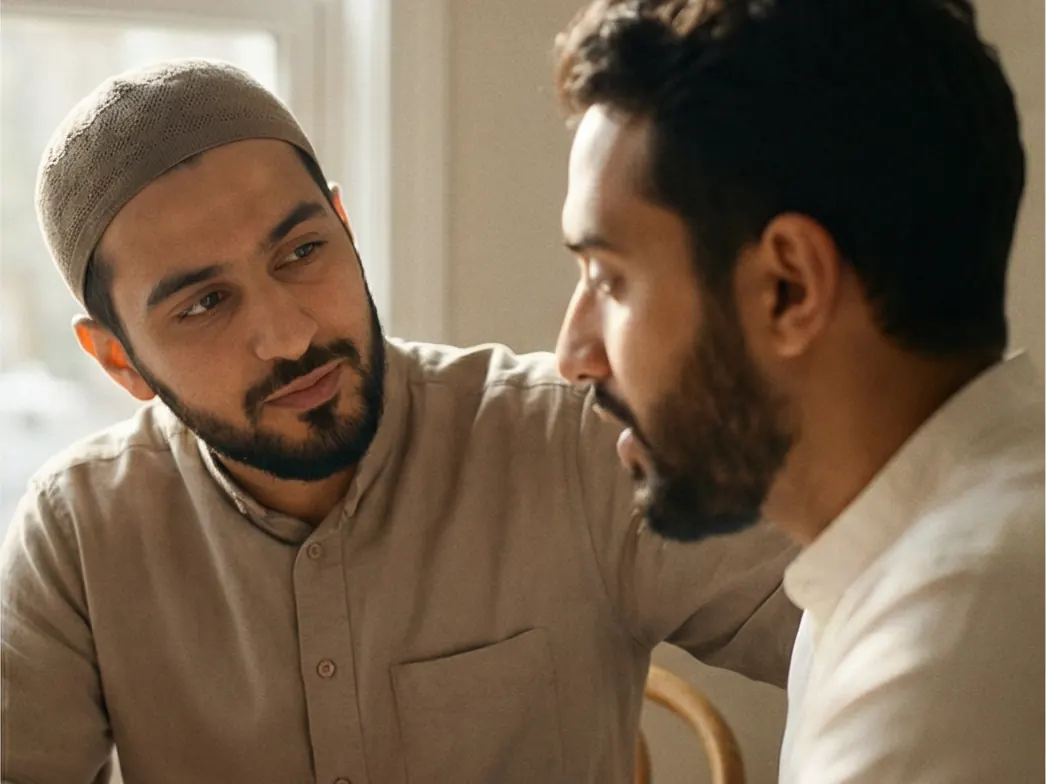
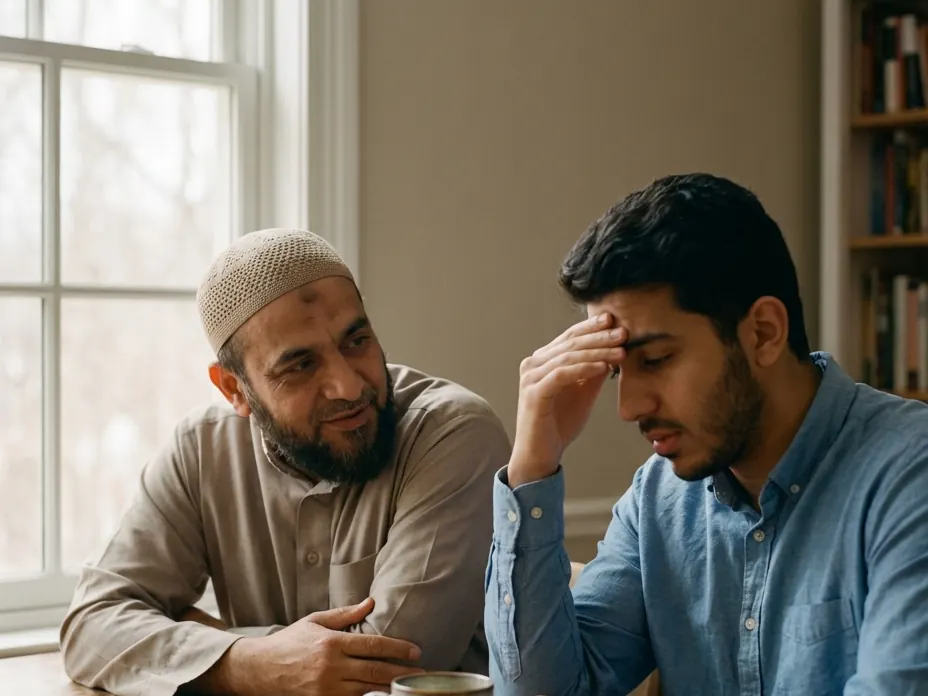
Disagreement is normal in any marriage. What matters is how you disagree, and whether you both leave the conversation feeling heard.

Every couple argues. The aim is not a marriage without conflict but a marriage where conflict does not become contempt. The Qur'an describes the purpose of marriage in words that are worth returning to when things are tense.
“And of His signs is that He created for you from yourselves mates that you may find tranquillity in them; and He placed between you affection and mercy. Indeed in that are signs for a people who give thought.”
Qur'an, Ar-Rum 30:21 (Saheeh International)
Tranquillity, affection and mercy are not just feelings. They are also choices we make in how we speak to each other, especially when we are upset.
1. Choose the moment
Difficult conversations go better when neither of you is hungry, exhausted or rushing out of the door. Ask: “Is now a good time to talk about something that has been on my mind?” If not, agree a time.
2. Speak about the problem, not the person
“You never help” invites defence. “I'm struggling with the evenings and I need more help with bedtime” invites a solution. The Prophet ﷺ said: “Whoever believes in Allah and the Last Day should speak good or remain silent” (Sahih al-Bukhari 6018).
3. Pause when anger rises
“The strong man is not the one who wrestles, but the strong man is the one who controls himself when angry.”
Narrated by Abu Hurayrah. Sahih Muslim 2609; see also Sahih al-Bukhari 6114
Agree a signal for a break, and a time to come back. A pause is not walking away; it is protecting the conversation.
4. Look for the good as well
“A believing man should not hate a believing woman; if he dislikes one of her characteristics, he will be pleased with another” (Sahih Muslim 1469). When you are frustrated, it helps to name, even silently, what you still value in your spouse.
5. Bring in help early
The Qur'an itself describes bringing in arbiters from both families when a couple fears a breakdown, and promises that if both desire reconciliation, Allah will bring it about (An-Nisa 4:35). Asking for help is not a sign of failure. It is part of the tradition.
When this is not enough
If arguments feel unsafe, or one of you is afraid of the other, this advice does not apply and joint sessions are not the right starting point. Please contact the National Domestic Abuse Helpline on 0808 2000 247 or the Men's Advice Line on 0808 8010 327. In an emergency, call 999.
Agree a “pause” word with your spouse when you are both calm, and decide together how long a break lasts before you come back to the conversation.
- Qur'an, Ar-Rum 30:21 and An-Nisa 4:35 (Saheeh International).
- Sahih al-Bukhari 6018, narrated by Abu Hurayrah.
- Sahih al-Bukhari 6114; Sahih Muslim 2609, narrated by Abu Hurayrah.
- Sahih Muslim 1469, narrated by Abu Hurayrah.
Sincere Naseeha mentoring and content offer guidance and support. They are not a substitute for professional counselling, therapy, medical care or emergency services.