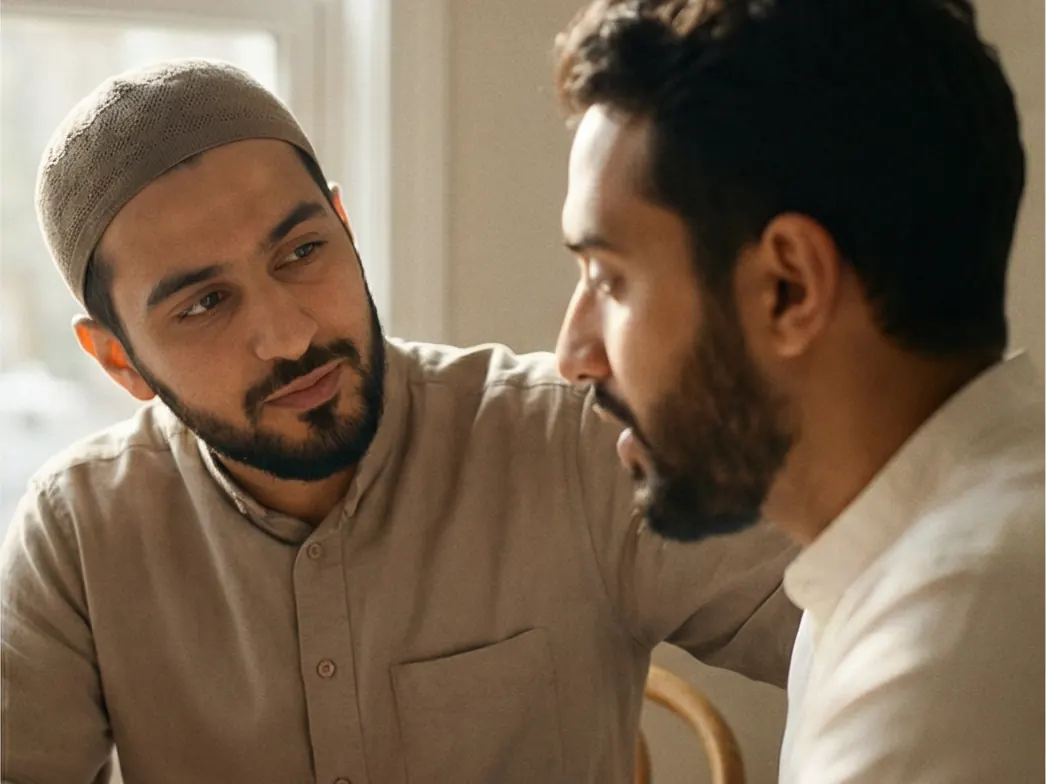
Wellbeing
“Your body has a right over you”: faith, rest and physical discipline
Looking after your body is not separate from your deen. The Prophet ﷺ corrected a companion for neglecting his.
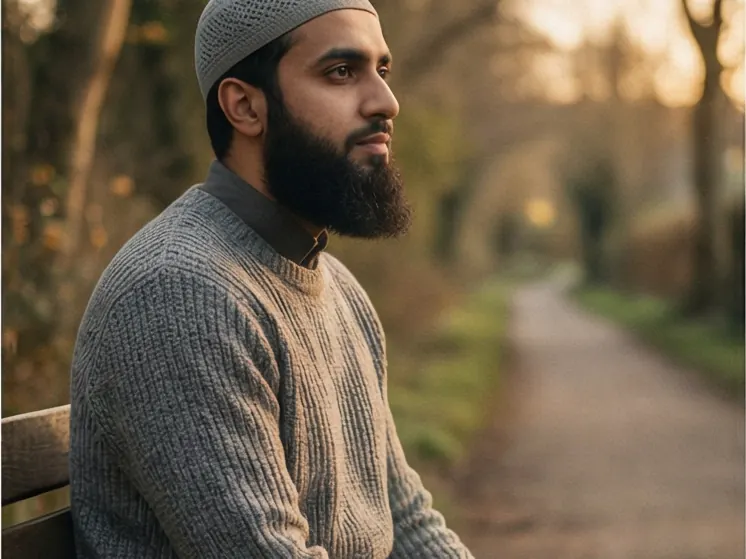
Abdullah ibn Amr was so devoted that he fasted every day and prayed all night. When the Prophet ﷺ heard, he did not praise the intensity. He advised balance: fast on some days and not others, pray at night and also sleep.
“...your body has a right over you, your wife has a right over you, and your guest has a right over you.”
From the Prophet's advice to Abdullah ibn Amr ibn al-As, who had been fasting every day and praying all night. Sahih al-Bukhari 1975
Rest, sleep and physical care are not distractions from worship. Neglecting them is a kind of imbalance the Prophet ﷺ actively discouraged.
Strength is a good thing
“The strong believer is better and more beloved to Allah than the weak believer, while there is good in both.”
Narrated by Abu Hurayrah. Sahih Muslim 2664
Scholars have understood this strength broadly: strength of faith, resolve and character. Physical health supports all of them. It is hard to stand long in prayer, keep your temper with your children or concentrate on the Qur'an when you are exhausted.
Mind, body and soul work together
This is the idea behind the three pillars of our mentoring. Poor sleep makes emotions harder to regulate. Low mood makes worship feel heavy. A neglected spiritual life can leave even a healthy body restless. When one pillar improves, the others often follow.
Small places to start
- Protect your sleep window. Decide a time your phone goes away at night and keep it most nights.
- Walk after one prayer. Ten minutes after Asr or Maghrib is easy to attach to a routine you already have.
- Eat with intention. Begin with Bismillah, eat slowly, and stop before you are overfull.
- Drink water before tea. A small change most people can keep.
If you have a health condition, speak to your GP before making big changes to exercise or diet. These suggestions are general guidance, not medical advice.
Choose a phone-away time for the evenings and keep it for five nights. Notice how you feel at Fajr.
- Sahih al-Bukhari 1975, narrated by Abdullah ibn Amr.
- Sahih Muslim 2664, narrated by Abu Hurayrah.
Sincere Naseeha mentoring and content offer guidance and support. They are not a substitute for professional counselling, therapy, medical care or emergency services.